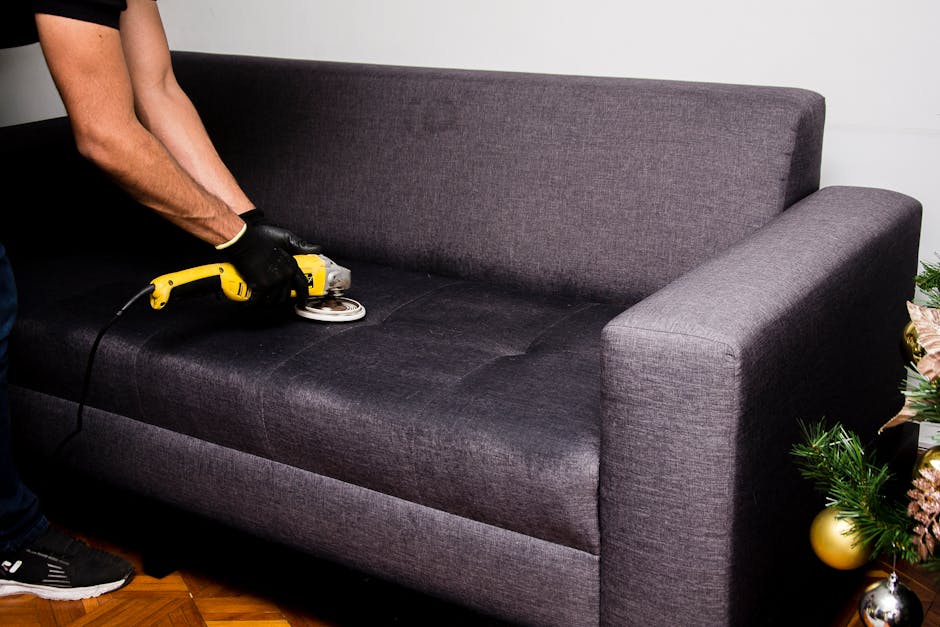
Becontree Estate sofa cleaning tips for stubborn stains
Spilled tea. Muddy paw prints. A mysterious dark patch that seems to appear overnight. If you live in Becontree Estate, you will know how quickly a sofa can go from tidy to tired-looking. The good news is that stubborn stains are not always permanent, and with the right approach, Becontree Estate sofa cleaning tips for stubborn stains can make a real difference before the mark settles in for good. This guide walks you through practical, safe methods, what to avoid, and when it makes sense to bring in professional help.
Truth be told, most sofa damage happens because people rush. They scrub too hard, use too much water, or reach for whatever cleaning spray happens to be under the sink. That is where things go sideways. Below, you will find a calmer, more reliable way to deal with stains on fabric, upholstery, and delicate finishes without making the problem worse.
Why Becontree Estate sofa cleaning tips for stubborn stains Matters
Stains on a sofa do more than spoil the look of a room. They can sink into fibres, attract more dirt, and leave a lingering smell that becomes part of the background. In a busy home, a sofa is usually the hardest-working piece of furniture in the room. It handles snacks, shoes-up lounging, pets, family visits, and the occasional spill you only notice after it has dried. Not exactly glamorous, but very real.
What makes Becontree Estate sofa cleaning tips for stubborn stains especially useful is that they help you act early and sensibly. The sooner you treat a stain, the more likely you are to lift it without damaging the upholstery. That matters for appearance, comfort, and value. A well-kept sofa simply feels better to sit on. It smells fresher too, which is one of those small wins that makes the whole room feel calmer.
There is also a practical side. If a stain spreads because it has been over-wetted or scrubbed, you may end up with a larger cleaning job than the original mark. A gentle, informed approach usually saves time in the long run. And for homes with children or pets, regular upholstery care helps keep everyday mess from building into a bigger problem.
Expert summary: stubborn sofa stains respond best to quick action, blotting instead of rubbing, a suitable cleaning solution, and controlled moisture. The goal is to lift the stain, not grind it deeper into the fabric.
How Becontree Estate sofa cleaning tips for stubborn stains Works
At its simplest, sofa stain removal is about breaking the bond between the stain and the fabric, then lifting the residue without spreading it. Different stains behave differently. Water-based spills such as tea or juice usually respond to mild detergent and blotting. Grease-based marks need a different tactic because oil repels water. Protein stains, such as food or body fluids, can become more stubborn if heat is used too soon. Slightly annoying, yes. But manageable.
Most successful cleaning follows a few principles:
- Identify the stain type before choosing a method.
- Check the upholstery care label if one is present.
- Test any cleaner on a hidden spot first.
- Use minimal moisture to avoid tide marks and fabric shrinkage.
- Work from the outside in so the stain does not spread.
This is where sofa cleaning and upholstery cleaning overlap with broader stain removal practice. The same method that works on a patch of carpet will not always suit a cushion or armrest. Sofa fabrics can react differently depending on weave, dye stability, padding, and backing material. That is why a one-size-fits-all approach rarely works well.
If you are comparing professional options, it may help to read about sofa cleaning services and broader upholstery cleaning care. Those pages are useful if you want to understand what a deeper treatment usually involves and when specialist equipment is a better fit than home cleaning.
Key Benefits and Practical Advantages
Done properly, stain-focused sofa cleaning offers a lot more than a cosmetic fix. It can extend the life of the fabric, reduce odours, and make a room feel properly looked after. You notice it most when you sit down in the evening and the sofa does not have that faint, sticky, lived-in smell. Small thing, big difference.
- Better appearance: marks, shadows, and dull patches become less obvious.
- Improved hygiene: spills, skin oils, and everyday grime are removed before they build up.
- Longer fabric life: gentle cleaning prevents unnecessary wear from harsh scrubbing.
- Less risk of permanent staining: fast action can stop dyes and liquids from settling.
- More comfortable living space: the whole room feels fresher and easier to enjoy.
For households with pets, another benefit is odour control. A stain may look small but still carry a smell, especially if it has soaked into the cushion filling. In those cases, surface cleaning is only half the job. That is why targeted solutions such as pet stain and odour removal can be valuable when the mark is linked to a cat, dog, or accident that has reached deeper layers.
Who This Is For and When It Makes Sense
This advice is for anyone looking after a fabric sofa, sectional, armchair, or upholstered seat in a Becontree Estate home. It is especially useful if you are dealing with a fresh spill, a stain that has dried, or a recurring patch in the same spot. That last one is common around armrests and seat fronts, where hands and snacks seem to gather like magnets.
It makes sense to use these tips when:
- the stain is recent and has not fully set
- you want to avoid using strong chemicals straight away
- the sofa is still structurally sound and only needs surface care
- you are trying to decide whether professional sofa cleaning is worth it
It may be less suitable if the fabric is labelled as dry-clean-only, if the stain has spread into the padding, or if the upholstery has a delicate finish like velvet, silk blend, or specialty coating. In those cases, be cautious. Very cautious, actually. The wrong cleaner can leave a watermark or distort the pile, and that is harder to undo than the original stain.
If you are not sure how deep the problem goes, professional stain removal guidance can help you judge whether the mark is surface-level or whether it has already travelled into the cushion layers.
Step-by-Step Guidance
Here is a practical, low-risk method for tackling stubborn sofa stains at home. Keep it calm. Keep it simple.
1. Blot first, always
Use a clean white cloth or paper towel to blot up any fresh liquid. Do not press aggressively. You are trying to lift moisture, not grind it down. If the stain is already dry, gently lift off any loose debris before adding moisture. A small crumb at this stage can turn into a smeared mess in seconds.
2. Identify the stain type
Tea, coffee, wine, mud, grease, ink, ketchup, and pet accidents all need slightly different treatment. A water-based spill often responds to mild soap and water. A greasy mark may need a little more help from a suitable upholstery-safe cleaner. If you can identify what caused the stain, you are already ahead of the game.
3. Check the sofa care label
Look for the manufacturer's cleaning code if the sofa has one. It usually tells you whether the fabric is suitable for water-based cleaning, solvent cleaning, or professional care only. If the label is missing, treat the fabric as if it is delicate until you know more.
4. Test in an unseen area
Always test the cleaner behind a cushion, under the sofa skirt, or somewhere hidden. Wait for it to dry. You are checking for colour transfer, fibre distortion, and any odd residue. It sounds fussy, but it saves tears later. And a ruined arm panel is a far less pleasant surprise than you want on a Tuesday morning.
5. Apply a small amount of cleaner
Use a fabric-appropriate solution and apply it sparingly. A little goes a long way. For many stains, a mix of lukewarm water and a small amount of mild washing-up liquid can be enough, provided the fabric can handle moisture. Do not soak the area. Damp is fine. Wet is not.
6. Blot, do not scrub
Work from the outer edge of the stain toward the centre. Blot with a fresh cloth, then repeat. If needed, alternate between a lightly damp cloth and a dry cloth. Scrubbing can roughen fibres and spread the stain wider. That is one of those mistakes that feels productive in the moment but causes more harm.
7. Remove residue
Once the stain lifts, lightly blot the area with clean water to remove soap residue. Too much detergent left behind can attract dirt later, which is a bit sneaky and very annoying. Then blot dry again.
8. Dry thoroughly
Airflow helps. Open a window if you can, or use a fan pointed nearby, not directly blasting the fabric. The sofa should dry evenly. If the area stays damp for too long, you may get odour, texture changes, or a faint ring around the cleaned patch.
9. Reassess after drying
Some stains fade as the fabric dries, while others reappear faintly. If the mark is still visible, repeat the process gently rather than increasing force. When in doubt, stop before the fabric starts to look tired.
Expert Tips for Better Results
A few small habits make a large difference. In our experience, the people who get the best results are not the ones who use the strongest cleaner. They are the ones who stay patient.
- Use white cloths only so dye from the cloth does not transfer to the sofa.
- Treat stains as early as possible; fresh marks are far easier to remove.
- Keep moisture controlled to prevent watermarks and padding saturation.
- Work in layers; lift the stain gradually instead of attacking it all at once.
- Vacuum first if the area is dusty or gritty, because loose debris can scratch the fibres.
- Be careful with steam; heat can set certain stains, especially protein or dye-based marks.
If you are looking after a mixed household with carpets, rugs, curtains, and sofas, it can be worth thinking about the room as one cleaning system. A cleaner sofa often sits best alongside tidy flooring and refreshed fabrics. That is where services such as carpet cleaning, rug cleaning, and curtain cleaning can fit naturally into a broader home-care routine.
One more small tip: keep a spare clean microfibre cloth and a little plain water to hand when guests arrive. It sounds overly cautious, but the first five minutes after a spill often decide the whole outcome. A quick response can save a lot of effort later. No drama, just a clean patch and a sigh of relief.
Common Mistakes to Avoid
Let's face it, most stain disasters start with good intentions. You see a mark, panic a little, and then do the exact wrong thing. Happens all the time.
- Rubbing hard: this spreads the stain and roughens the pile.
- Using too much water: excess moisture can soak into the cushions and backing.
- Skipping the test patch: the cleaner may react badly with the dye or finish.
- Mixing cleaning products: this can leave residues or create unsafe reactions.
- Using heat too early: a hot hairdryer or iron can permanently set the stain.
- Ignoring the smell: if the stain has an odour, the source may be deeper than the surface.
Another common mistake is assuming every stain can be solved with the same method. Ink is not mud. Grease is not tea. Pet accidents are not just visual marks. Different soils, different solutions. Simple as that.
If the stain is old, dark, or has been cleaned repeatedly without success, stop experimenting. More attempts can push the stain deeper. At that point, a specialist approach is usually the smarter move.
Tools, Resources and Recommendations
You do not need a cupboard full of products to clean a sofa well. In fact, fewer tools often mean less mess. A sensible kit is usually enough.
| Tool or item | What it is for | Good for |
|---|---|---|
| White microfibre cloths | Blotting and lifting residue | Most fabric stains |
| Vacuum with upholstery attachment | Removing dust and crumbs first | General sofa prep |
| Mild upholstery-safe cleaner | Targeted stain treatment | Common spills |
| Soft brush | Gentle fibre lifting after drying | Raised pile fabrics |
| Fan or open-window drying | Speeding up even drying | Moisture control |
For deeper cleaning or repeated stains, it is also sensible to compare professional services rather than guessing. A sofa that needs more than spot treatment may benefit from a full sofa cleaning appointment or broader upholstery cleaning, especially if the fabric is valuable, pale, or prone to watermarking.
If you are trying to budget, it can help to review pricing and quotes before you commit. That gives you a clearer sense of what is included and whether the job is likely to need simple stain treatment or a more thorough restoration-style clean. The detail matters, as usual.
Law, Compliance, Standards and Best Practice
For home sofa cleaning, there is usually no complex legal process to follow, but there are still sensible UK best-practice expectations around safety, product use, and care. If you use cleaning chemicals, read the label carefully and keep them away from children and pets. Ventilation helps. Gloves can be sensible for stronger products. And if the sofa is part of rented accommodation or a furnished let, checking the care expectations before cleaning is never a bad idea.
From a professional point of view, reputable cleaners should follow safe handling practices, use suitable equipment, and avoid unnecessary damage to the fabric or the room. If you ever ask someone else to do the job, it is fair to expect clarity about process, limitations, and aftercare. This is where health and safety information and insurance and safety details matter more than people sometimes realise.
There is also a straightforward consumer expectation around fair treatment, transparent communication, and secure handling of any payment details. If you are comparing providers, you may want to look at payment and security and the company's terms and conditions. And if anything ever goes wrong, a clear complaints procedure shows that the business is willing to stand behind its service, which is reassuring.
For readers who prefer to understand the business background too, about the company and recycling and sustainability can offer a bit more context. Not every page is exciting, of course, but trust is built in the boring places as much as the clever ones.
Options, Methods, or Comparison Table
Choosing the right method depends on the stain, the fabric, and how much risk you are willing to take. Here is a simple comparison to help you decide.
| Method | Best for | Pros | Watch-outs |
|---|---|---|---|
| Blotting with mild solution | Fresh water-based stains | Low cost, low risk, easy to try | May not remove deep or oily stains |
| Spot treatment with upholstery cleaner | Set marks and mixed spills | More targeted, often more effective | Requires a test patch and correct dosage |
| Manual deep clean | Heavier general soiling | Can refresh more than one area at once | Too much moisture can damage some fabrics |
| Professional sofa cleaning | Old, stubborn, or delicate stains | Specialist equipment and expertise | Higher cost than DIY spot cleaning |
If the stain is limited to the top surface and you caught it early, a light touch is often enough. If it has been there for weeks, or if you see a shadow after the patch dries, professional treatment may be the better option. No shame in that. In fact, it is often the most economical route because you avoid making the stain bigger.
Case Study or Real-World Example
A fairly typical Becontree Estate scenario goes like this: a family sofa has a dark tea stain near the middle cushion seam, plus a faint ring from an earlier attempt to clean it with too much water. The stain is not huge, but it is visible every evening when the lamp is on and the room goes quiet. Little things become impossible to ignore, don't they?
The first step is to vacuum the area and blot away any remaining residue. Next, the cleaner is tested on a hidden section behind the back cushion. Once that passes, a mild upholstery-safe solution is applied sparingly with a white cloth. The mark is blotted several times, then rinsed lightly with clean water and dried with a separate cloth. A fan is used nearby to help the fabric dry evenly.
In a case like this, the stain may lighten significantly, but the older water ring may remain faint. That is a good example of why timing matters. The original spill may not be the real problem anymore; the clean-up attempt can become the visible issue. If the fabric is particularly sensitive, or if the ring does not settle after drying, the next sensible step is to seek professional upholstery support rather than keep attacking the same spot.
That is usually the moment people say, "Right, fair enough, let someone with proper equipment look at it." And honestly, that is a sensible decision.
Practical Checklist
Use this quick checklist before and during sofa stain cleaning.
- Identify what caused the stain.
- Check the sofa care label, if available.
- Vacuum loose dirt or crumbs first.
- Test the cleaner in a hidden area.
- Use a white cloth for blotting.
- Apply only a small amount of cleaner.
- Work from the outside toward the centre.
- Do not scrub aggressively.
- Rinse lightly if needed to remove residue.
- Dry the area evenly with airflow.
- Recheck once fully dry.
- Call in help if the stain returns or spreads.
If you can tick most of those off, you are already ahead of the average DIY attempt. Not perfect, just practical. That is enough most of the time.
Conclusion
Stubborn sofa stains can feel maddening at first, especially when they sit in the middle of a room you use every day. But with calm, careful steps, most marks can be reduced or removed before they become a permanent feature. The main lessons are simple: act early, use the right method for the stain, avoid excess moisture, and do not scrub out of frustration.
For Becontree Estate homes, the best results usually come from a mix of sensible spot cleaning and knowing when a deeper professional clean is the better answer. A sofa does not need heroics. It needs attention, patience, and the occasional bit of expert help.
Get a free quote today and see how much you can save.
Frequently Asked Questions
What is the best first step for stubborn sofa stains?
The best first step is to blot the stain gently with a clean white cloth and remove as much surface moisture as possible. Do not rub. Then check the sofa care label before using any cleaner.
Can I use washing-up liquid on a fabric sofa?
Sometimes, yes, but only in a small amount mixed with water and only if the fabric can handle moisture. Always test it on a hidden area first. Too much soap can leave residue and attract dirt.
Why does my sofa stain keep coming back after cleaning?
This often happens when the stain has soaked deeper into the padding or when residue has been left behind. As the fabric dries, the stain can wick back to the surface. More water is not always the answer.
Is steam cleaning safe for all sofas?
No, not all sofas. Steam can set some stains and may damage delicate fabrics. It is better suited to certain upholstery types and should be used carefully, if at all, on stain-prone areas.
How do I remove old tea or coffee stains from a sofa?
Start with a mild upholstery-safe cleaner and blot repeatedly rather than scrubbing. Old tea and coffee stains can leave a brown shadow, so a gentle repeat treatment may be needed. If the stain is deep-set, professional cleaning may be more effective.
What should I do if the sofa smells after a stain?
If there is a smell, the source may have gone beyond the surface layer. Blotting alone may not solve it. A targeted odour treatment or a deeper upholstery clean may be needed, especially for pet-related accidents.
Can I use a hairdryer to dry the stain faster?
You can, but use caution. High heat can set some stains and affect fabric texture. Air drying with good ventilation is usually safer. If you do use a hairdryer, keep it on a cool setting and at a distance.
How do I know if a stain is too serious for DIY cleaning?
If the stain is old, widespread, greasy, odorous, or on a delicate fabric, it may be too risky to handle at home. If you have already tried once or twice without success, stop before the fabric starts to look worn.
Will cleaning a stain make the sofa look patchy?
It can if the cleaning is uneven or too wet. That is why test patches, light application, and even drying matter so much. Cleaning the whole cushion panel sometimes gives a better visual result than spot-treating only one dot.
How often should sofas be professionally cleaned?
That depends on how much use the sofa gets. Busy family sofas, pet-friendly homes, and light-coloured upholstery usually benefit from more regular care. There is no single rule, but if the sofa starts to look dull or smell stale, it is probably due.
What if my sofa has no care label?
Treat it carefully and assume it is more delicate than it looks. Use a hidden test patch, mild products, and minimal moisture. If in doubt, ask a professional cleaner to assess the fabric before you try stronger methods.
Do professionals only clean the stain, or the whole sofa?
It depends on the condition of the upholstery. A small isolated stain might be spot-treated, but many sofas benefit from a more complete clean so the treated area blends in better with the rest of the fabric.
If you are dealing with a stain that just will not budge, you may also find it useful to look into getting in touch for advice or reviewing the available quote information before deciding what to do next. Sometimes a quick conversation saves a lot of trial and error.
And if all you manage today is one cleaner cushion and a bit more peace of mind, that is still a win. One patch at a time.