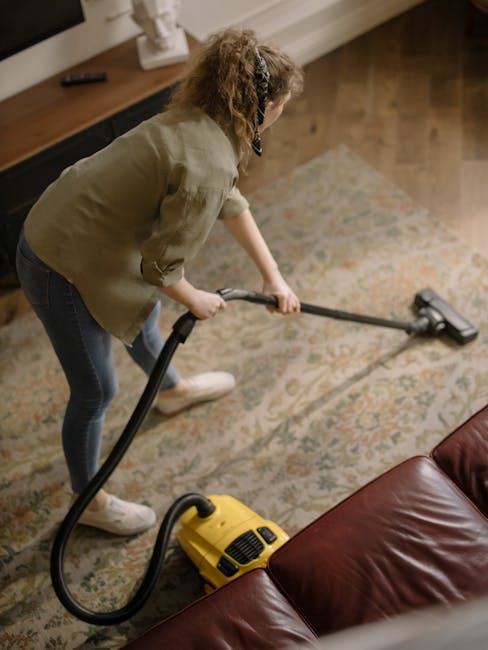
Dagenham Heathway carpet cleaning guide for flats
If you live in a flat near Dagenham Heathway, carpet cleaning can feel oddly more complicated than it should. There's less space to work, more stairwells and shared halls to think about, and usually a bit more pressure to get everything dry before the evening. This Dagenham Heathway carpet cleaning guide for flats is here to make the whole process easier to understand, whether you are tackling a stubborn spill, getting ready for a tenancy handover, or just trying to bring some life back into a tired living room carpet.
The good news? Flat carpet care does not need to be stressful. With the right preparation, the right cleaning method, and a sensible plan for drying and ventilation, you can get strong results without turning your place into a damp obstacle course. Let's walk through what matters, what to avoid, and how to choose the most practical approach for your home.
Table of Contents
- Why carpet cleaning matters in flats
- How the cleaning process works
- Key benefits and practical advantages
- Who this guide is for
- Step-by-step guidance
- Expert tips for better results
- Common mistakes to avoid
- Tools, resources and recommendations
- Law, compliance, standards, and best practice
- Options and method comparison
- Case study example
- Practical checklist
- Conclusion
- Frequently asked questions
Why Dagenham Heathway carpet cleaning guide for flats Matters
Flats bring a few extra carpet-cleaning challenges that houses do not always have. You may be dealing with smaller rooms, limited storage, shared entrances, and neighbours who would rather not hear a machine running at 8am on a Sunday. That does not mean deep cleaning is difficult. It just means the job needs a bit more planning.
In a flat, carpets often take more daily wear because the whole home works as a tighter space. Shoes get left by the door, dust builds up faster, and cooking smells can cling to fibres in open-plan layouts. If you have pets or children, you will also notice spots and odours sooner. Truth be told, flats can look tidy and still have carpets that are holding onto a lot underneath the surface.
Regular carpet cleaning matters because it helps with appearance, freshness, and comfort all at once. It can also support a healthier-feeling indoor environment, especially where dust and tracked-in dirt become trapped in the pile. That is one reason many residents choose a professional carpet cleaning service rather than relying on quick vacuuming alone. A good deep clean can make the room feel brighter. You notice it when you walk in, even if you can't quite put your finger on why.
For landlords, tenants, and homeowners alike, good carpet care also helps protect the carpet itself. Dirt acts a bit like fine sandpaper over time, and that wear adds up. So even if the carpet does not look dramatic or badly stained, cleaning can still be a smart bit of maintenance.
How Dagenham Heathway carpet cleaning guide for flats Works
At a basic level, carpet cleaning removes embedded dirt, spot soils, allergens, and residue that vacuuming cannot reach. The exact method depends on the carpet fibre, the amount of staining, how much moisture the flat can safely handle, and how quickly the room needs to be usable again.
Most professional jobs follow a simple structure: inspect, vacuum, pre-treat stains, clean, extract, and dry. That sounds straightforward, and mostly it is. But the details matter. Wool and synthetic carpets behave differently. Thick pile holds more moisture. Thin underlay dries faster but may show marking if over-wet. In flats, those details matter even more because airflow can be limited.
Steam-based cleaning is often discussed as the standard approach, though in everyday language that usually means hot water extraction rather than literal steam only. It works by applying heated cleaning solution and then extracting it, along with loosened dirt, from the carpet. In many homes this gives a deep clean with good stain removal, but it does require sensible drying conditions. If your flat has poor ventilation, a professional may adjust the process, use lower-moisture methods, or recommend more drying time.
There is also a practical difference between cleaning for maintenance and cleaning for a specific problem. A one-off refresh before visitors? That is one thing. A heavy traffic path leading from the hallway into the lounge? Another thing entirely. If you have a pet accident or a red wine spill that has already set, you may need targeted stain removal first, then a deeper overall clean.
Key Benefits and Practical Advantages
The obvious benefit is that carpets look better. But in a flat, the benefits go a little further than that.
- Better first impressions: useful if you are moving, renting out a flat, or expecting guests.
- Less lingering odour: especially helpful in compact rooms where smells hang around.
- Improved comfort underfoot: a freshly cleaned carpet often feels softer and more pleasant.
- Reduced visible wear: traffic lanes and flattened fibres can look less tired after a proper clean.
- More manageable upkeep: once the deep dirt is removed, routine vacuuming becomes more effective.
There is also a confidence factor. A clean carpet quietly changes how a room feels. It is a bit like opening a window on a bright morning. Nothing dramatic, just better. And in flats, where every room tends to pull double duty, that matters more than people think.
If you are comparing specialist services, it may also help to look beyond carpets alone. Sometimes a flat needs a combination of upholstery cleaning, sofa cleaning, or even curtain cleaning to really freshen the whole space. Otherwise you can end up with one spotless room and one sofa that still tells the whole story. Not ideal.
Who This Is For and When It Makes Sense
This guide is useful for a few very different people, and that's part of the point.
- Tenants who want to leave a flat in good condition at the end of a tenancy.
- Landlords and letting agents who want carpets cleaned between occupants.
- Homeowners who want a reset after months of everyday traffic.
- Pet owners dealing with odour, shedding, or repeated marks in one spot.
- Families with spills, crumbs, muddy shoes, and the general chaos of real life.
- Anyone with allergies or dust sensitivity who wants a cleaner-feeling living environment.
It makes sense to arrange cleaning when you notice one of a few common signs: dullness, matted fibres, dark marks along paths, smells that do not go away after vacuuming, or a carpet that seems to look dirty again almost immediately. That last one is telling, by the way. Often it means the pile is holding onto more than it should.
For business use in shared flats with small workspaces, the line can blur a bit. If you are using part of a flat as a home office or rental sublet space, a heavier-traffic floor plan may need a stronger maintenance routine. In more commercial situations, people often look at commercial carpet cleaning, but the same common sense still applies: clean the fibres before dirt becomes part of the furniture, so to speak.
Step-by-Step Guidance
If you want the best result in a flat, the process matters almost as much as the cleaning method. Here is a practical sequence that works well in most homes.
- Walk the rooms first. Check high-traffic areas, stains, pet zones, and any delicate trims or thresholds.
- Vacuum thoroughly. Do not skip this. Removing loose dirt first makes the deeper clean far more effective.
- Move lightweight furniture if possible. Chairs, stools, and small side tables are easier to shift than big wardrobes or beds.
- Spot treat visible marks. A proper pre-treatment can make a big difference to coffee, food, and shoe marks.
- Choose the right cleaning method. Match the approach to fibre type, soil level, and drying needs.
- Protect access routes. In flats, this often means hallways, lifts, and communal areas. You do not want damp footprints everywhere.
- Control ventilation. Open windows where safe and practical. Use fans if appropriate.
- Allow full drying time. Resist the temptation to put furniture back too soon. Really.
If you are doing a light refresh yourself, a low-moisture approach may be sensible for smaller rooms, especially where drying time is limited. If the carpet has deep staining, odours, or several years of buildup, a more thorough professional clean may be the better choice. The trick is to avoid over-wetting in a flat, because that can create a damp smell that lingers longer than anyone wants.
Expert summary: in flats, the best carpet cleaning result usually comes from a balance of preparation, controlled moisture, and realistic drying time. Push too hard on any one of those, and the job gets messier than it needs to be.
Expert Tips for Better Results
A few practical habits make a surprising difference. Small things, yes, but they add up.
- Vacuum more often than you think you need to. In flats, dirt spreads fast from entrances and corridors.
- Deal with spills early. Fresh marks are much easier to lift than old, set ones.
- Blot, do not rub. Rubbing pushes the stain deeper and can rough up the fibres.
- Test a cleaning product first. Especially on wool, patterned carpets, or older materials.
- Keep shoes at the door. Honestly, this one does more for carpet life than many people realise.
- Ask about drying time before booking. In a flat, that can matter more than the actual clean time.
One useful detail people overlook is airflow. You can have the best cleaner in the world, but if the flat stays sealed and humid, drying slows right down. On a grey winter afternoon, with windows shut and heating on low, that can make a clean feel unfinished. A little cross-ventilation can help a lot.
If there are pet smells, it is often worth combining carpet care with pet stain and odour removal rather than treating the smell as a surface issue only. Odour usually sits deeper than the visible mark. A carpet can look fine and still not smell fine. Slightly annoying, but true.
And one more thing: if the carpet is adjacent to a sofa or rug in the same room, think in whole-room terms. A cleaned carpet next to a grubby rug can look mismatched, almost like the room never quite got the memo. Pairing the work with rug cleaning can help create a more even result.
Common Mistakes to Avoid
Most carpet-cleaning problems in flats come from trying to rush the job. Not always, but often enough.
- Using too much water. This is probably the biggest mistake in flat cleaning.
- Skipping vacuuming before treatment. You end up moving dirt around instead of removing it.
- Applying the wrong product. Strong chemicals can damage fibres or leave sticky residue.
- Ignoring drying time. Walking on damp carpet too soon can re-soil it quickly.
- Only cleaning the obvious stain. If the whole room is dull, the patch will stand out badly.
- Not checking the carpet fibre. Wool, nylon, and polypropylene do not all behave the same way.
Another mistake is forgetting the surrounding surfaces. A spill near the edge of a room can travel into upholstery, skirting boards, or even curtains if it has sprayed. That is why a wider clean sometimes makes more sense than a single-spot fix. In some homes, mattress cleaning or sofa cleaning may also be part of a proper refresh. It depends on the room, of course.
And yes, it is tempting to blast a stain with whatever you have under the sink. We have all been there. But carpets usually prefer patience over enthusiasm.
Tools, Resources and Recommendations
You do not need a van full of equipment to keep a flat carpet in good shape. A few sensible tools go a long way.
- Vacuum cleaner with decent suction and a clean filter.
- Microfibre cloths for blotting and light spot work.
- Soft brush or carpet rake for lifting the pile after cleaning.
- Clean white towels to absorb moisture without spreading dye.
- Fans or good natural airflow to support faster drying.
- Appropriate spot-cleaning product used carefully and sparingly.
If you want to keep the job firmly on the professional side, it helps to look at the service detail provided by a specialist rather than guessing your way through it. A page such as carpet cleaning can give you a clearer picture of the type of work offered and what to expect from a more complete service.
When price matters, always ask for a proper quote based on room size, carpet condition, and any difficult access. Flats can be straightforward, but they can also hide extra work in the form of stairs, parking limits, or awkward access. For a sensible estimate, see pricing and quotes. It is much better to get clarity early than to have a little awkward conversation later. Nobody enjoys that.
If you are choosing a provider, it is also worth checking general trust signals such as insurance, clear payment handling, and transparent terms. Those things do not clean the carpet, obviously, but they do tell you a lot about how the business works. For additional peace of mind, see insurance and safety and payment and security.
Law, Compliance, Standards, or Best Practice
For domestic carpet cleaning in flats, there is not one single special rulebook that applies to every situation. Still, good practice matters. You should think about access, neighbour courtesy, product safety, ventilation, and care around electrical equipment and wet floors. That is especially sensible in shared buildings where hallways and lifts can be affected.
If you are a tenant, your tenancy agreement may set expectations for the condition you must leave the property in. That is not something to guess at. Read the paperwork carefully, because end-of-tenancy cleaning disputes often come down to what was agreed and what was actually left behind. If you are a landlord or managing agent, a consistent maintenance standard is usually a lot easier than dealing with avoidable complaints later.
Professionally, a reputable cleaner should also operate in line with ordinary UK expectations around health and safety, safe product use, and responsible treatment of customer property. For service standards and site policies, it is sensible to review the provider's health and safety policy, terms and conditions, and privacy policy. If something goes wrong, a clear complaints process is also a reassuring sign, so the complaints procedure may be worth a look too.
One practical best practice worth repeating: avoid creating slip risks in communal areas. That means planning routes, using protective coverings when necessary, and not leaving wet fibres where people will walk through. Simple stuff, but it makes the whole job safer and calmer.
Options, Methods, or Comparison Table
Different flats need different approaches. A quick comparison helps make the choice a bit less vague.
| Method | Best for | Pros | Watch-outs |
|---|---|---|---|
| Vacuum-only maintenance | Regular upkeep, light dust and crumbs | Fast, affordable, low disruption | Won't remove deep soil or stains |
| Spot cleaning | Fresh spills and isolated marks | Quick response, targeted treatment | Can leave visible patchiness if the whole carpet is tired |
| Low-moisture clean | Flats with limited drying time | Faster dry, less disruption | May be less effective on deep embedded dirt |
| Hot water extraction / steam-style cleaning | Heavy soiling, traffic lanes, deeper refresh | Strong cleaning power, thorough finish | Needs careful drying and ventilation |
In a small flat, the best option is often not the most aggressive one. It is the one that gets the carpet properly clean without causing more hassle than necessary. That's the real sweet spot.
If your flat has mixed surfaces or adjoining soft furnishings, it can also make sense to bundle services. For example, a carpet refresh alongside upholstery cleaning or curtain cleaning may create a more balanced result across the room, not just underfoot.
Case Study or Real-World Example
Picture a typical two-bedroom flat near Dagenham Heathway. The hallway has darkened edges from constant foot traffic, the lounge carpet has a couple of food marks near the sofa, and the bedroom has a faint musty smell because the window is not opened much in winter. Nothing dramatic. Just the sort of lived-in wear that creeps up slowly.
In that situation, the first step would be a thorough vacuum, especially along skirting lines and doorway transitions. Then the marked areas would get pre-treated, the hallway and lounge would be cleaned with a method suited to the carpet type, and the room would be left with enough airflow to dry properly. If the flat has limited cross-ventilation, drying time becomes the deciding factor. Sometimes it is better to schedule the work when you can keep the room clear for a few hours rather than trying to squeeze it into a busy day.
The difference afterwards is usually noticeable in small ways first. The room smells fresher. The carpet pile stands up a little better. The hall looks less grey in daylight. People often expect a dramatic transformation, but in real life the nicest change is usually quieter than that. A flat just feels easier to live in.
And if the same home also has a tired rug by the sofa or a stained armchair, tackling those at the same time often makes the room feel properly reset, not just patched up.
Practical Checklist
Use this quick checklist before any carpet cleaning in a flat:
- Vacuum all rooms thoroughly before starting.
- Identify stains, odours, and traffic areas.
- Check the carpet fibre if you know it.
- Move small furniture out of the way.
- Protect floors in shared hallways or access routes if needed.
- Make sure windows can be opened safely for ventilation.
- Confirm drying time and keep the room clear afterwards.
- Use minimal water for spot cleaning.
- Keep pets and children away until the carpet is dry.
- Book matching soft-furnishing cleaning if the room needs a fuller refresh.
Quick takeaway: the cleaner the preparation, the better the result. Most disappointing carpet cleans are not really caused by the machine or the product. They happen because the prep was rushed, the drying was ignored, or the wrong method was chosen for the room.
Conclusion
A good carpet clean in a flat near Dagenham Heathway is about more than removing a visible mark. It is about restoring comfort, keeping the room fresh, and choosing a method that suits smaller spaces without causing extra hassle. Once you understand the room layout, carpet type, access, and drying needs, the whole process becomes much more manageable.
If you are weighing up whether to do it yourself or bring in help, the honest answer is this: light maintenance can often be handled at home, but deep cleaning, persistent stains, or odour issues usually benefit from a more structured approach. That is especially true in flats where moisture and airflow have to be managed carefully. A thoughtful clean today can save you a lot of bother later.
Get a free quote today and see how much you can save.
Frequently Asked Questions
How often should carpets be cleaned in a flat?
For most flats, a regular vacuuming routine plus a deeper clean when the carpet starts looking dull or holding odours works well. Busy households, pet owners, or rental properties may need cleaning more often.
Is steam cleaning safe for flat carpets?
Yes, when it is used appropriately for the carpet fibre and dried properly afterwards. The main concern in flats is usually not the method itself, but the amount of moisture and the available ventilation.
Will carpet cleaning leave my flat smelling damp?
It should not if the carpet is cleaned correctly and allowed to dry with good airflow. A slightly damp smell usually suggests too much water, poor ventilation, or furniture being put back too soon.
Can I clean my carpet myself in a small flat?
Yes, for light maintenance or fresh spills. Just use the right product, avoid soaking the carpet, and blot instead of rubbing. For deeper soil or larger areas, professional help is often the safer bet.
How long do carpets usually take to dry in a flat?
Drying time varies based on carpet type, cleaning method, room temperature, and airflow. Flats with closed windows and limited ventilation will generally take longer than airy rooms with good cross-breeze.
What should tenants know before booking carpet cleaning?
Check the tenancy agreement and note any end-of-tenancy expectations. It is wise to keep evidence of the carpet's condition before and after cleaning, especially if you are trying to avoid disputes.
Do I need to move furniture before carpet cleaning?
Light furniture is usually best moved in advance. Larger items may be left in place, but it helps to discuss this before the clean so the room can be planned properly.
What is the best method for pet stains and odours?
Pet stains often need targeted treatment first, followed by a deeper clean if the carpet has absorbed the smell. For ongoing issues, a dedicated approach such as pet odour treatment is usually more effective than general cleaning alone.
Can carpet cleaning help with allergies?
It can help reduce dust and trapped debris in the carpet, which some people find makes the room feel fresher. It is not a medical treatment, of course, but a cleaner carpet can support a more comfortable indoor environment.
Should I clean curtains and sofas at the same time?
If the room is tired overall, yes, that can be a smart move. Carpet, sofa, and curtain fabrics collect dust and everyday residue differently, so cleaning them together often gives the flat a more even refresh.
How do I choose a trustworthy carpet cleaner?
Look for clear pricing, sensible safety information, transparent terms, and a proper complaints process. If a provider is open about who they are, how they work, and how they handle issues, that is usually a good sign.
What is the biggest mistake people make with flat carpet cleaning?
Over-wetting. It sounds harmless, but in a flat it can slow drying, leave a lingering smell, and create a lot more inconvenience than necessary. A careful clean is almost always the better clean.
When a flat feels fresh underfoot, the whole place seems to settle. That's the nice part, really - not perfection, just a home that feels looked after.